
Worm Infections Almost Halved
After nearly a decade of school-based deworming supported by Evidence Action, Cross River State in Nigeria has recorded sharp declines in intestinal worm infections.
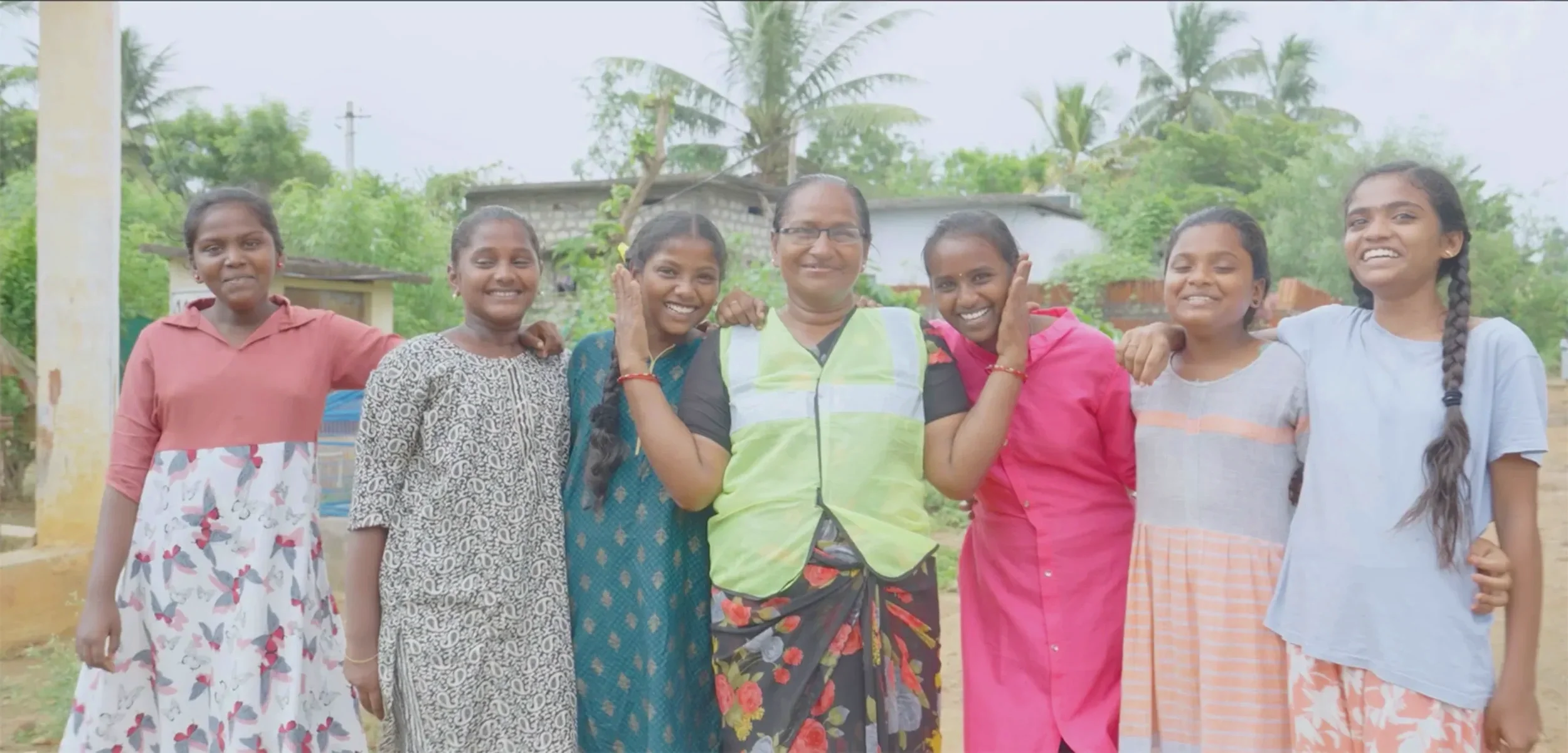
Safe water flows through the hands of women
Women and girls spend an estimated 250 million hours every day collecting water. In 7 out of 10 households without running water, it's girls who carry the load. But across Evidence Action's Safe Water Now program, women are also leading the work of making that water safe.

Evidence Action: 2025 in Review
In 2025, development funding contracted globally. Yet supporters like you made it possible for Evidence Action to not only maintain but grow their impact: reaching millions of people living in poverty across Africa and Asia with proven, cost-effective programs. These updates capture a year defined by scale, learning, and steadfast commitment to doing the most good with every dollar.
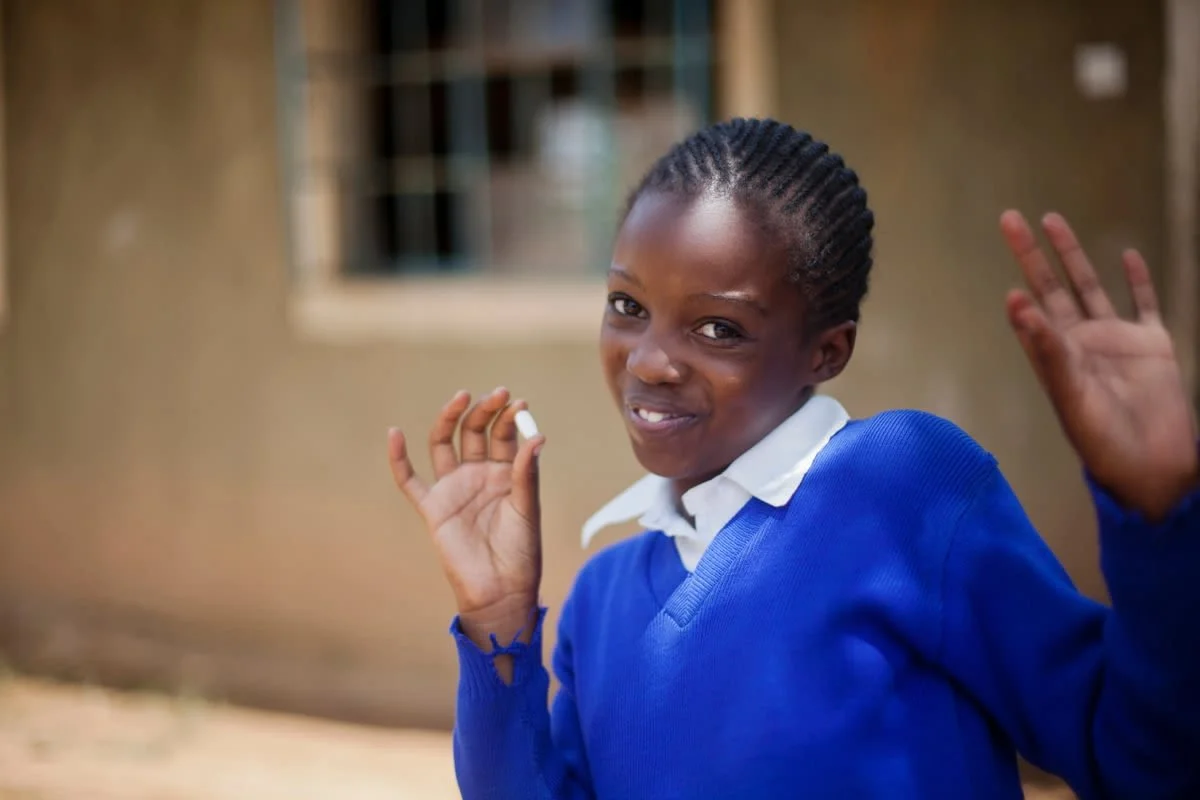
Deworming Tanzania 🇹🇿
10,000,000 Tanzanian children. That's how many children are at risk or already infected with parasitic worms—that's more than the whole population of Greece. These parasites fill kids’ bellies, quietly gnawing away at their health and futures. What begins as a small infection becomes a lifetime of poor health and diminished opportunity.
The Last Mile
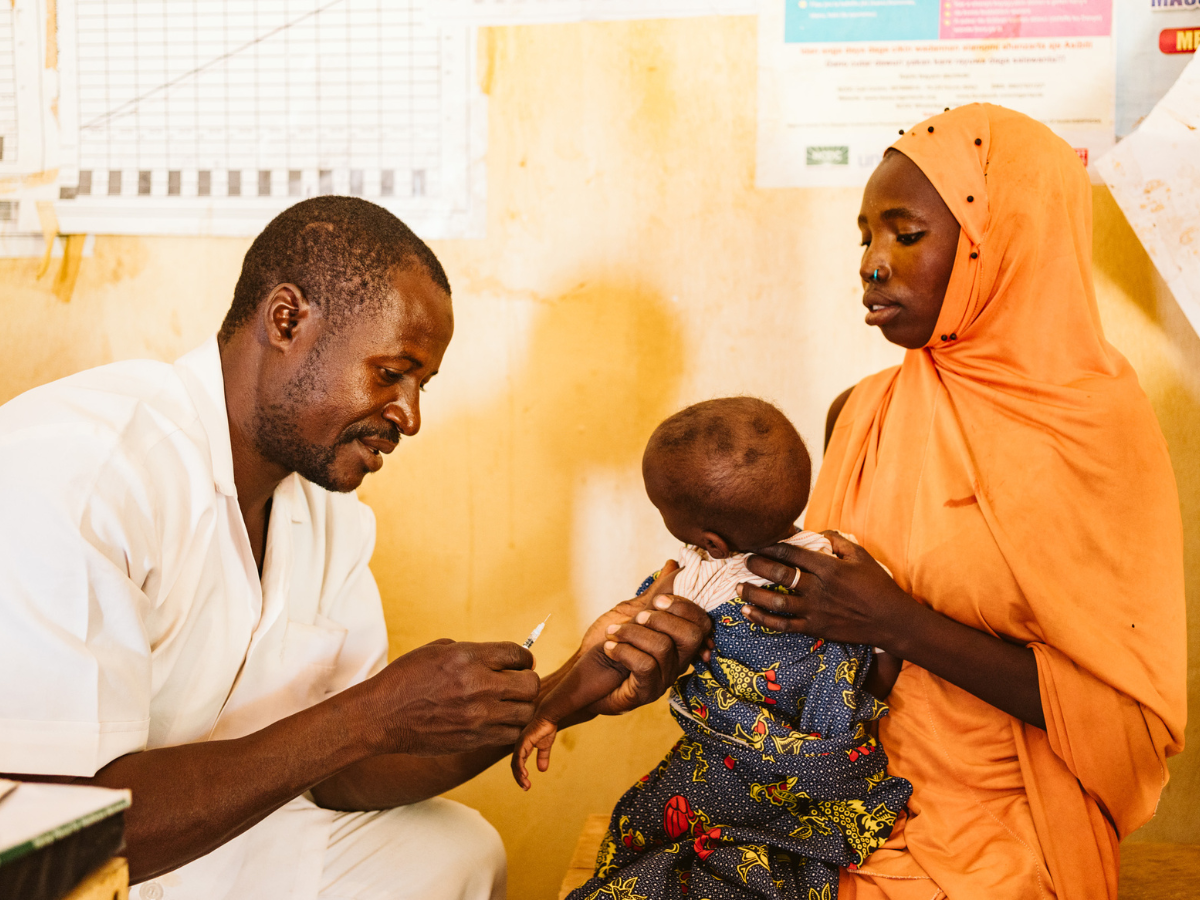
Without proper refrigeration at remote clinics, getting vaccines to children takes meticulous planning and dedication. Every Tuesday morning, Mustapha Shuaibu arrives at his clinic with a small light blue cooler of vaccines, ready to immunize the babies strapped to the backs of their mothers, who will soon be lining up outside.

A Chance to Grow and Thrive Thanks to Vitamin A
Helen Keller Intl recently shared their conversation with Romance Dissieka, Monitoring, Evaluation, Accountability, and Learning Coordinator for their vitamin A work. Part of a multi-national team, Romance leads efforts to gather and use data to help reach over 40 million children across 14 African countries with vitamin A.
GiveDirectly retires basic income
Our long-time partner GiveDirectly recently announced that they are no longer accepting donations for their basic income programme. This decision was informed by a study which showed key advantages of large lump sum payments over a universal basic income (UBI)

The match is on!
Right now, funding cuts are creating critical gaps in global health programs. USAID cuts have halted billions in lifesaving aid, while preventable diseases continue to claim lives. But here's your opportunity to help fill that gap: Thanks to a generous sponsor, all first-time donors and donors returning after more than a year will have their donation to our global health charities matched 1:1.

A Community Health Hero in Madagascar
In the bright, contrasting landscapes of Morondava, on Madagascar’s west coast, where sandy tracks wind between baobab trees and isolated villages, one woman embodies commitment, resilience and hope. Jemima Tsimaniry Rasoavelomanana, 38, district nutrition officer, fights every day to ensure that nutrition is not a privilege, but a right for all.
Reaching Children in Madagascar
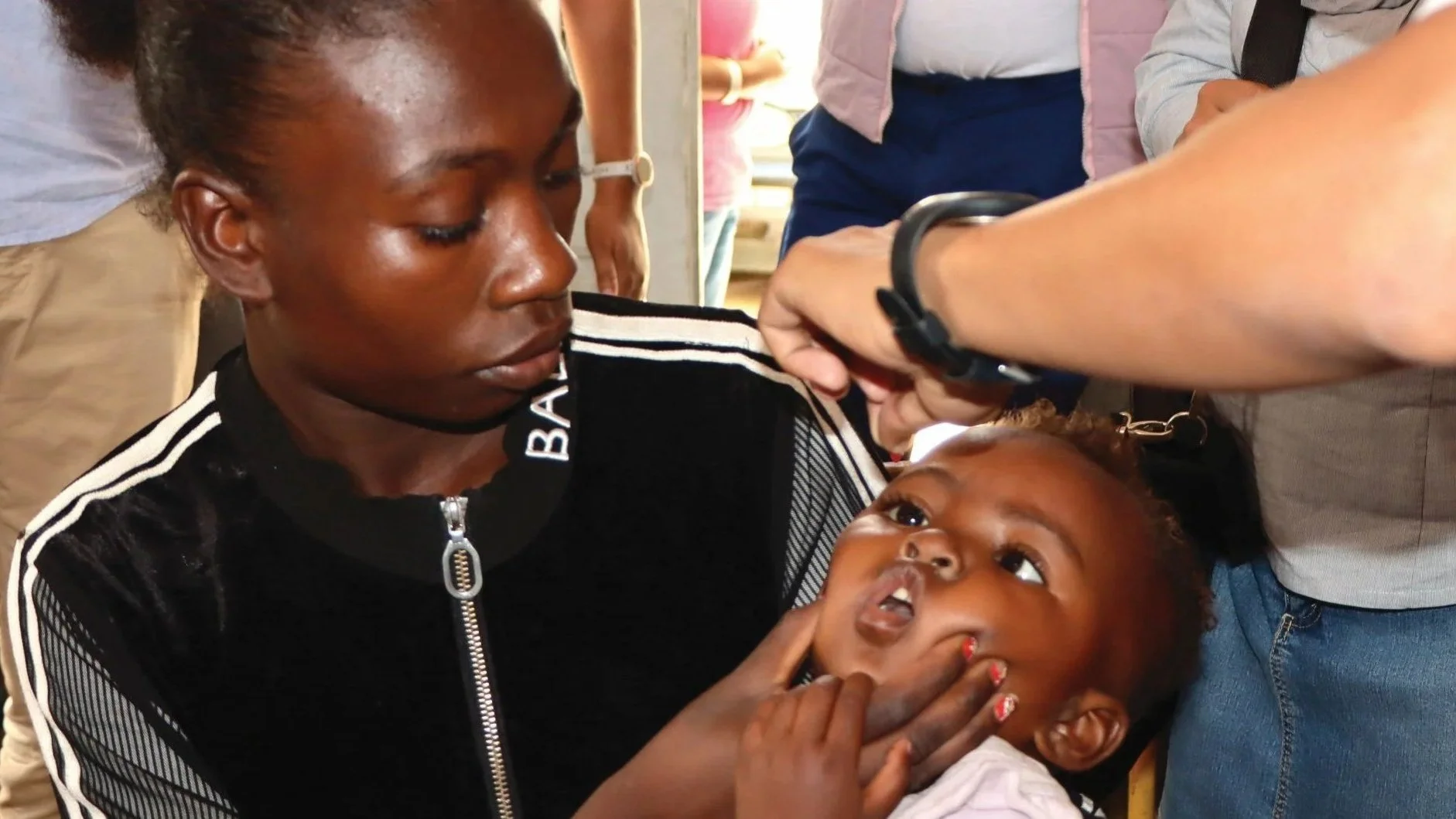
With generous support from donors, Helen Keller Intl’s first supplementation campaign in Madagascar provided more than 2.9 million children with their first dose of vitamin A, and they expect to double their reach in the coming year.
Lessons from the Field
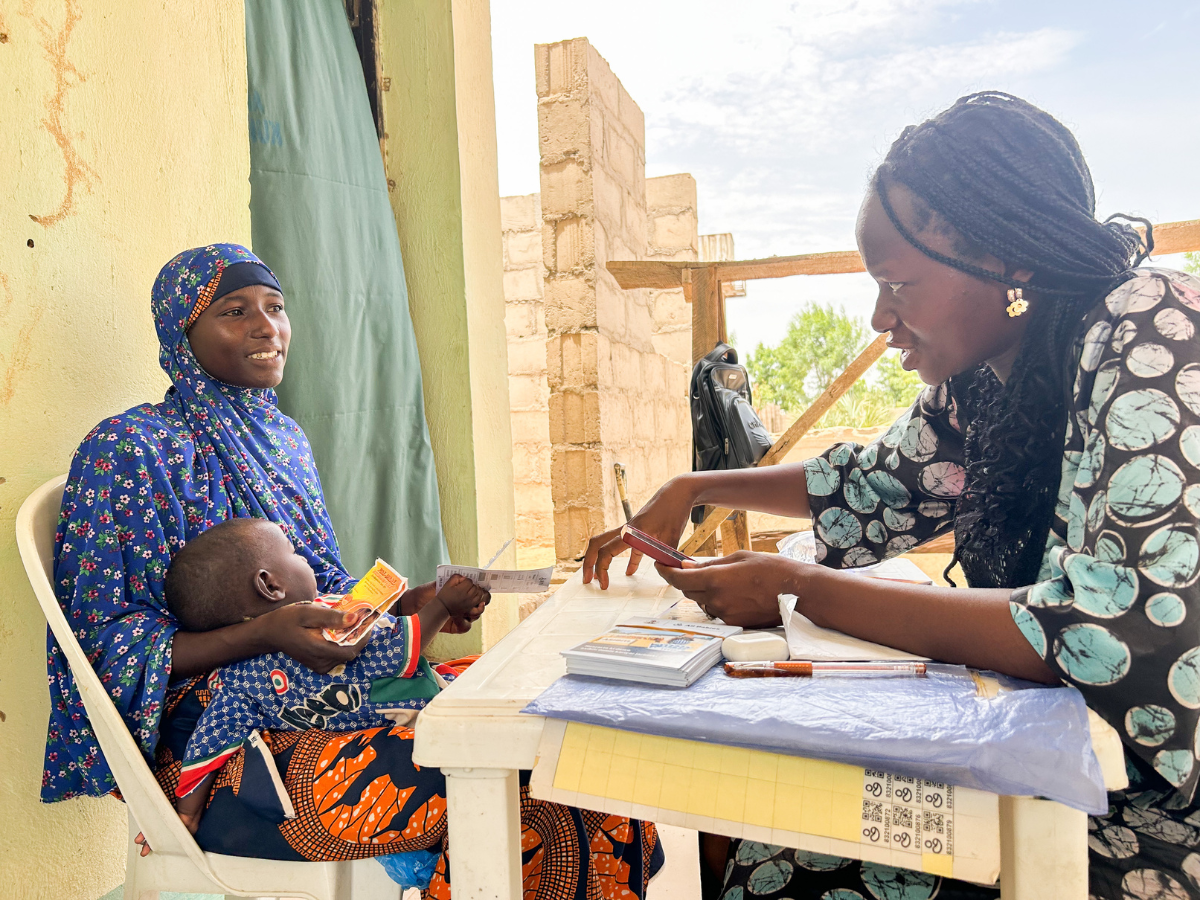
In February, New Incentives received exciting news: GiveWell recommended a grant of up to $4.8 million to provide oral rehydration solution for babies enrolled in their program in Nigeria. This grant will enable caregivers to treat childhood diarrhea, a leading cause of death in children under five. As they embark on this critical work, they're sharing some of the lessons they've learned and the refinements they're making to their approach.

What is NZ’s comparative advantage?
Living in New Zealand can sometimes feel like an obstacle to doing good effectively. We’re far from the EA hubs in the UK/US, and from opportunities for direct work on global health & development. But are there any areas where we might have an advantage?
Vitamin A
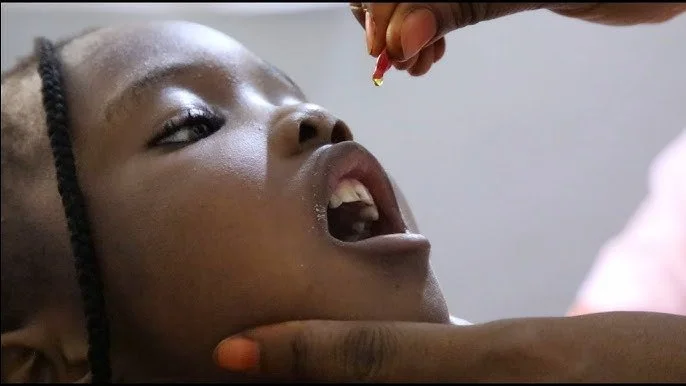
Vitamin A is an essential micronutrient that helps protect children’s sight, health, and lives. A twice-yearly dose of vitamin A through age five can help prevent blindness and reduce childhood mortality by more than 25%. Helen Keller Intl has been at the forefront of vitamin A supplementation for more than 50 years. Last year, they reached nearly 44 million children across 14 countries in Africa with two doses of vitamin A.

Gabrielle Young
I am deeply saddened to share that Gabrielle Young, a much-loved member of the EA NZ community and personal friend, died last month. This is an absolutely devastating loss, and our hearts go out to Gabby's friends and family, including her parents and her sister Brigette.
Where the pipes lead
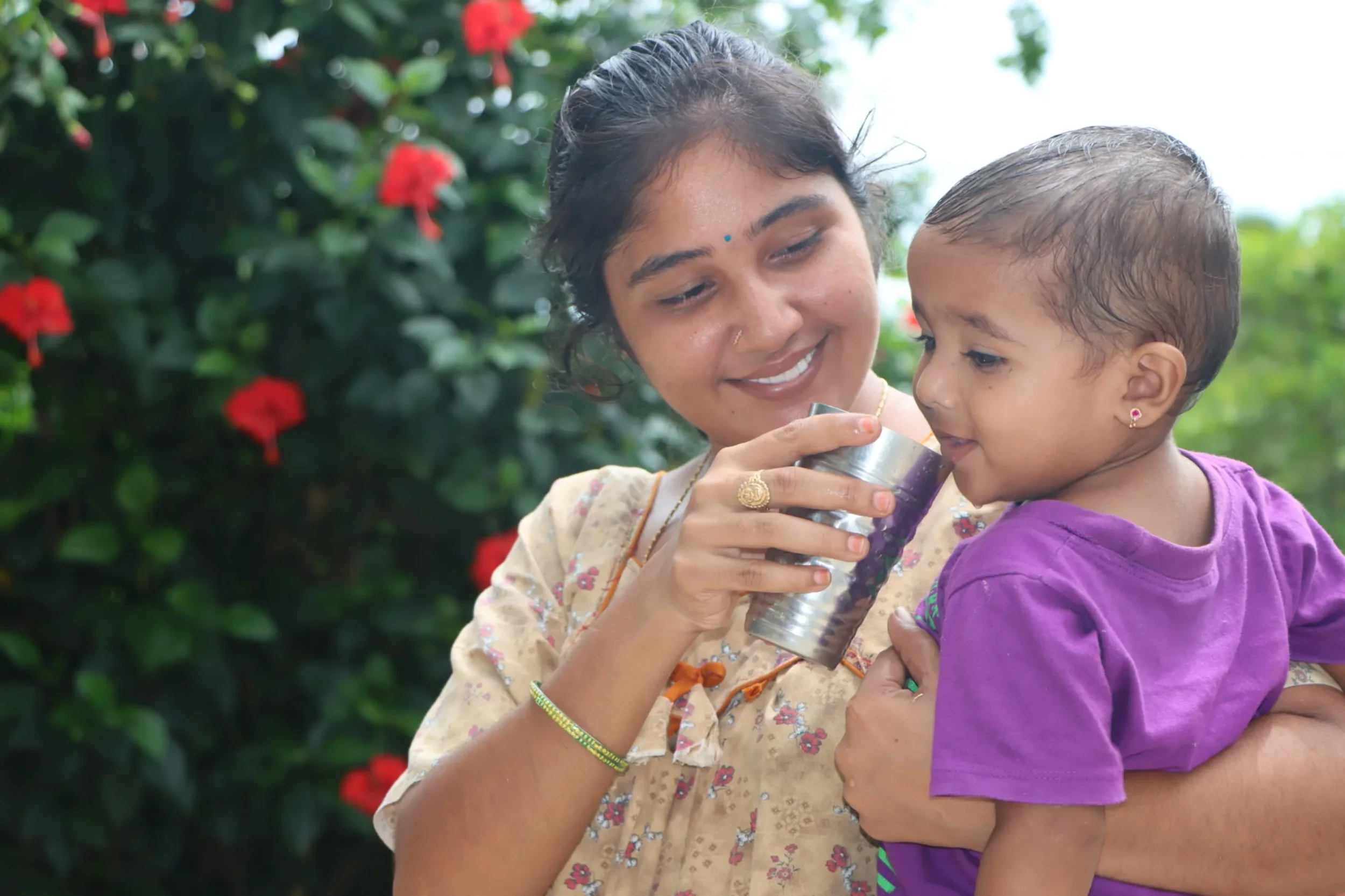
In a major achievement, the government of India has expanded access to piped water through millions of rural household tap connections, bringing water directly into homes that once relied on distant or unreliable sources. But without disinfection, that water can still carry harmful bacteria, causing diseases like typhoid, cholera, and hepatitis A, as well as malnutrition.

Over $3M raised in 2024/25 FY
Results from the 2024-25 financial year are in— our wonderful community donated over $3M NZD to effective charities!

How the USAID cuts are affecting our partner charities
As you may have seen, the global health sector has changed dramatically in the past few months. The suspension of US aid funding has deprived millions of access to essential healthcare services. And despite the government's supposed waiver system for life-saving work, many eligible programmes have been unable secure either waivers or the promised funds. Given these seismic changes, we wanted to share some of the impacts on our partner charities, and how that might influence your giving.

Winding up our partnership with Unlimit Health
As part of our annual review process, we’ve made the difficult decision to wind down our partnership with Unlimit Health (formerly known as the SCI Foundation).
What we achieved in 2024
We hope your 2025 has been off to a great start— it's hard to believe that January is almost over already! As we begin the year in earnest, we’d like to take a moment to reflect on the amazing things our community achieved in 2024. Over the past year, EA NZ donors gave over a million dollars to effective charities.